In an era where energy efficiency and cost savings are at the forefront of consumers' minds, understanding the benefits and drawbacks of various appliances is crucial. Heat pump water heaters are gaining popularity for their ability to provide hot water effectively while reducing energy consumption and environmental impact. This article delves into the intricacies of heat pump water heaters, exploring how they work and how they compare to traditional models.
What are Heat Pump Water Heaters?
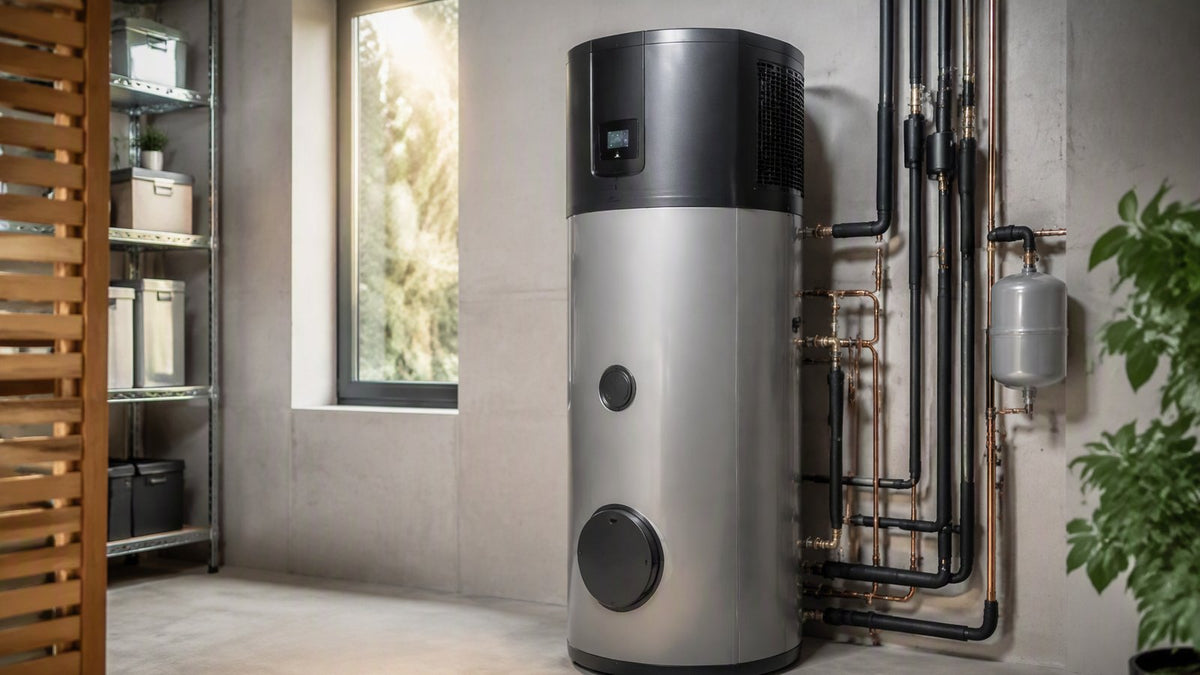
Heat pump water heaters, also known as hybrid water heaters, represent a modern approach to water heating, combining reliability with reduced energy bills and a smaller environmental footprint. Unlike traditional electric water heaters that generate heat directly, these systems employ heat transfer technology to extract heat from the surrounding air, moving it into the water stored in the tank. This process not only enhances water heater efficiency but also contributes significantly to energy savings over time.
How Heat Pump Water Heaters Work
These innovative systems use electricity to move heat, utilizing ambient air as a resource. The process includes several key steps:
- A fan draws in the surrounding air, directing it across evaporator coils filled with refrigerant. The refrigerant absorbs heat from the air, transforming from a liquid to a gas.
- This warmed gas is then compressed, increasing its temperature and pressure, before it travels through condenser coils, effectively transferring heat to the water in the tank.
This reverse refrigeration process allows heat pump water heaters to operate with remarkable efficiency, often supplemented by electric resistance elements when hot water demand exceeds capacity.
Comparing Heat Pumps to Traditional Water Heaters
When assessing the pros and cons of heat pump water heaters, it's essential to note their superior efficiency compared to conventional models. They can operate up to three times more efficiently than traditional electric or gas water heaters, resulting in significant cost savings on energy bills. This efficient use of electricity to move heat from one place to another translates into using about one-third of the electricity required by standard electric resistance water heaters. Furthermore, heat pump water heaters tend to have a longer lifespan, making them a cost-effective investment for homeowners seeking to reduce energy costs and enhance environmental sustainability.
Water Heater Efficiency Ratings
When evaluating the energy efficiency of heat pump water heaters, it is vital to understand the significance of water heater efficiency ratings. The first hour rating is a key measure of capacity, indicating how many gallons of hot water the unit can supply per hour. This metric helps homeowners assess whether a particular model can meet their household's hot water needs. Additionally, the Uniform Energy Factor (UEF) rating is crucial for comparing the energy efficiency and anticipated savings between different water heater options, allowing consumers to make informed decisions based on their energy consumption patterns and budget.
Energy Efficiency Benefits of Heat Pumps
Switching to an electric heat pump water heater can significantly reduce energy costs, often cutting water heating expenses in half. Depending on usage, homeowners may save $200 to $400 or more annually on energy bills. Heat pump water heaters are two to three times more energy efficient than conventional electric resistance water heaters because they do not generate heat directly. Instead, they utilize heat from the surrounding air, transferring heat into the water tank, which lowers operating costs substantially. According to Energy Star, these systems can save homeowners up to 50% on their annual hot water costs compared to traditional models, making them an attractive option for those seeking energy savings and reduced environmental impact.
Energy Star Certification and Its Importance
Energy Star certification plays a crucial role in identifying highly efficient heat pump water heaters. Models that meet the stringent guidelines set by the U.S. Environmental Protection Agency ensure optimal performance and reduced energy consumption. An Energy Factor (EF) rating of 2.0 or higher signifies exceptional efficiency, allowing these water heaters to operate more effectively than traditional electric or gas-powered units. Additionally, the federal government incentivizes the purchase of Energy Star certified heat pump water heaters through tax credits, further encouraging homeowners to opt for these energy-efficient systems. The optimized energy factor, often enhanced by the refrigerant used, underscores the importance of selecting an Energy Star certified model for both economic and environmental benefits.
Advantages of Heat Pump Water Heaters
Heat pump water heaters offer numerous benefits that make them an attractive option for environmentally conscious homeowners. One of the primary advantages is their ability to produce fewer greenhouse gas emissions, significantly contributing to a cleaner environment. By utilizing heat from the surrounding air, these water heaters drastically reduce carbon monoxide emissions and indoor air pollutants, particularly when replacing systems that heat water with fossil fuels. Heat pump water heaters are two to three times more energy efficient than conventional electric resistance water heaters, which translates to substantial cost savings. Homeowners can cut their water heating costs in half, saving between $200 and $400 annually. Additionally, these systems produce fewer greenhouse gas emissions compared to traditional gas water heaters, aiding in the reduction of one's carbon footprint. Properly maintained, heat pump water heaters can last 10-15 years, and some models may even qualify for tax incentives and rebates starting in 2023. The low operating costs, quiet operation, and consistent hot water supply on demand make these water heaters a reliable and efficient choice, using up to 60% less energy than conventional models, leading to significant savings over time.
Cons of Heat Pump Water Heaters
Despite the benefits, there are several cons of heat pump water heaters that potential buyers should be aware of. One of the main drawbacks is the cost of a heat pump, as these systems can be up to twice as expensive as other models, posing a challenge for those on a tight budget. Additionally, heat pump water heaters work by extracting heat from the air, which means they take longer to heat water compared to conventional water heaters. Smaller homes may lack the necessary space for installation, as these units require ample space for a condensation drain or pump. The installation process for a heat pump system can be more complex than replacing a traditional water heater, necessitating additional expertise. Performance can also be affected by colder temperatures, and although generally quiet, some units may produce noticeable noise during operation. It's crucial for homeowners to weigh these factors against the benefits when considering a switch to a heat pump water heater.
Evaluating the Pros and Cons
When evaluating the pros and cons of heat pump water heaters, homeowners must consider both the short-term and long-term implications. The initial investment in a heat pump water heater may be higher, but the substantial energy savings and reduced environmental impact can offset the cost over time. Factors such as installation space, local climate conditions, and household hot water demand should be assessed to determine if a heat pump water heater is the right choice. Understanding the pros and cons allows homeowners to make informed decisions, balancing energy efficiency with practical considerations, and ultimately choosing a system that aligns with their financial and environmental goals.
Factors to Consider When Selecting a Heat Pump Water Heater
Choosing a heat pump water heater involves several critical considerations to ensure optimal performance and efficiency. Heat pump water heaters are typically taller than most other water heaters, requiring at least 1,000 cubic feet of air space around the unit. An unfinished basement is often the best location, as it provides the necessary space and ambient temperature. The minimum space requirement of around 750-1,000 cubic feet, roughly the size of a small bedroom, is crucial for the system to perform effectively. Selecting a unit sized to meet your household's specific needs is essential for maximizing energy efficiency and minimizing energy consumption. Additionally, equipment warranties and compatibility with your existing electrical system are important factors to consider. Heat pump water heaters operate most efficiently in environments where temperatures remain between 40 °F and 90 °F, making it vital to assess the location's suitability before installation.
Heat Pump Water Heater Installation Process
The installation process for a heat pump water heater involves several steps to ensure proper functioning and efficiency. It is crucial to connect the unit to a drain to manage the condensation produced during operation. Homeowners transitioning from electric resistance water heaters should already have a 240-volt outlet available for installation. As heat pump systems dehumidify the air, condensation drainage must be effectively handled to prevent moisture buildup. Ensuring the chosen location meets the required space and temperature criteria is essential for optimal performance. Proper ventilation is also necessary to maximize the heat extraction capabilities of the heat pump, ensuring the system operates efficiently and effectively throughout its lifespan.
Common Mistakes to Avoid During Installation
When installing a heat pump water heater, certain mistakes can impact the system's performance and longevity. One common error is failing to provide adequate space for air circulation and ventilation, which can hinder the heat pump's ability to extract heat efficiently. Another mistake is improper drainage setup, leading to water damage or reduced efficiency due to excess moisture. Ensuring the unit is compatible with the electrical system is crucial to avoid safety hazards and ensure smooth operation. Additionally, incorrect sizing can result in insufficient hot water supply or excessive energy consumption. By addressing these common pitfalls, homeowners can ensure their heat pump water heater operates effectively and efficiently, maximizing cost savings and energy efficiency.
Check solar incentives available in your state.
Check out our Inverter Sizing Calculator.
Calculate your solar payback and 25-year savings with our Solar ROI Calculator. Follow our complete DIY solar installation guide for step-by-step instructions. For more tips on keeping your system in top shape, check out our Solar Maintenance Guide.
Related Products


Related Resources
- Solar System Calculator
- Battery Sizing Calculator
- Solar Panel Comparison Tool
- Inverter Sizing Calculator
- Solar ROI Calculator
- Solar Installation Guide
- Solar Maintenance Guide
- Solar Permitting Guide
- Battery Installation Guide
- NEC Code Compliance Guide
- Solar Panel Mounting Guide
- Grounding & Bonding Guide
- Solar Incentives by State
- Pro Account — Wholesale Pricing
- PowerLink Network — Contractor Program